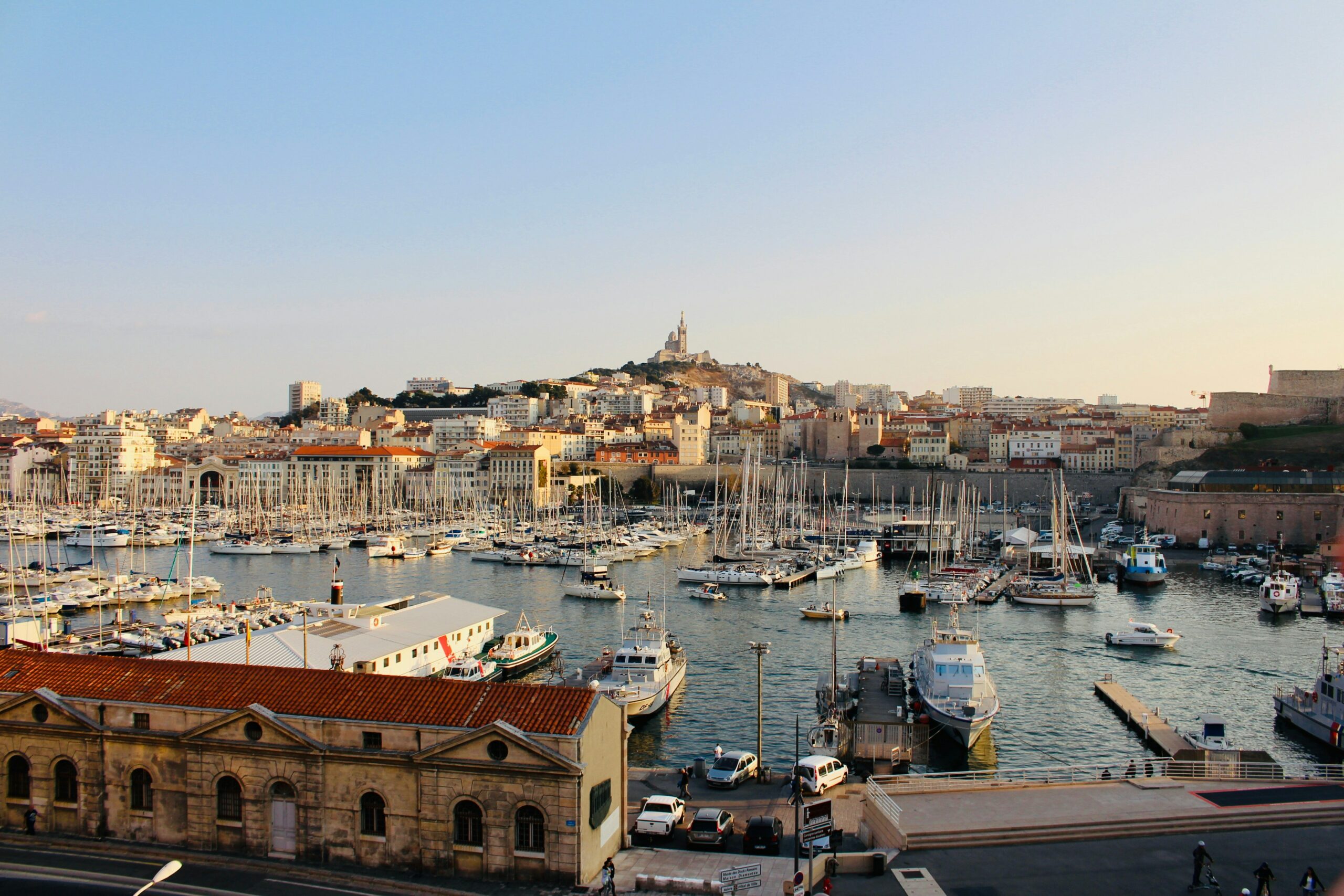
From stone-ground mustard to sea urchins placed on a Mediterranean rock, 620 kilometers of road separate two Frances, and link them through the table. We followed the Gastronomy Valley From Dijon to Marseille, in seven stops. Butter gives way to olive oil, vaulted cellars to garrigue terraces, but the thread is never broken.
Dijon: the seed and the long term
Roofs of glazed tiles, half-timbered facades nestled around the Ducal Palace, cobblestone alleys that still smell of gingerbread wafting from bakeries: Dijon is best discovered on foot, quickly, and immediately sets the tone for your trip. Here, everything is about the palate. On Rue du Faubourg Bretonnière, in an unmarked inner courtyard, Moutarderie Fallot grinds its mustard seeds with a stone mill – a process abandoned by the industry and maintained uninterruptedly by this family business, founded in 1840, for six generations. The visit ends at the mustard bar, where about thirty flavors await to be sampled with the tip of a knife. Black truffle, blackcurrant, gingerbread.
Beaune: The Weight of Crus
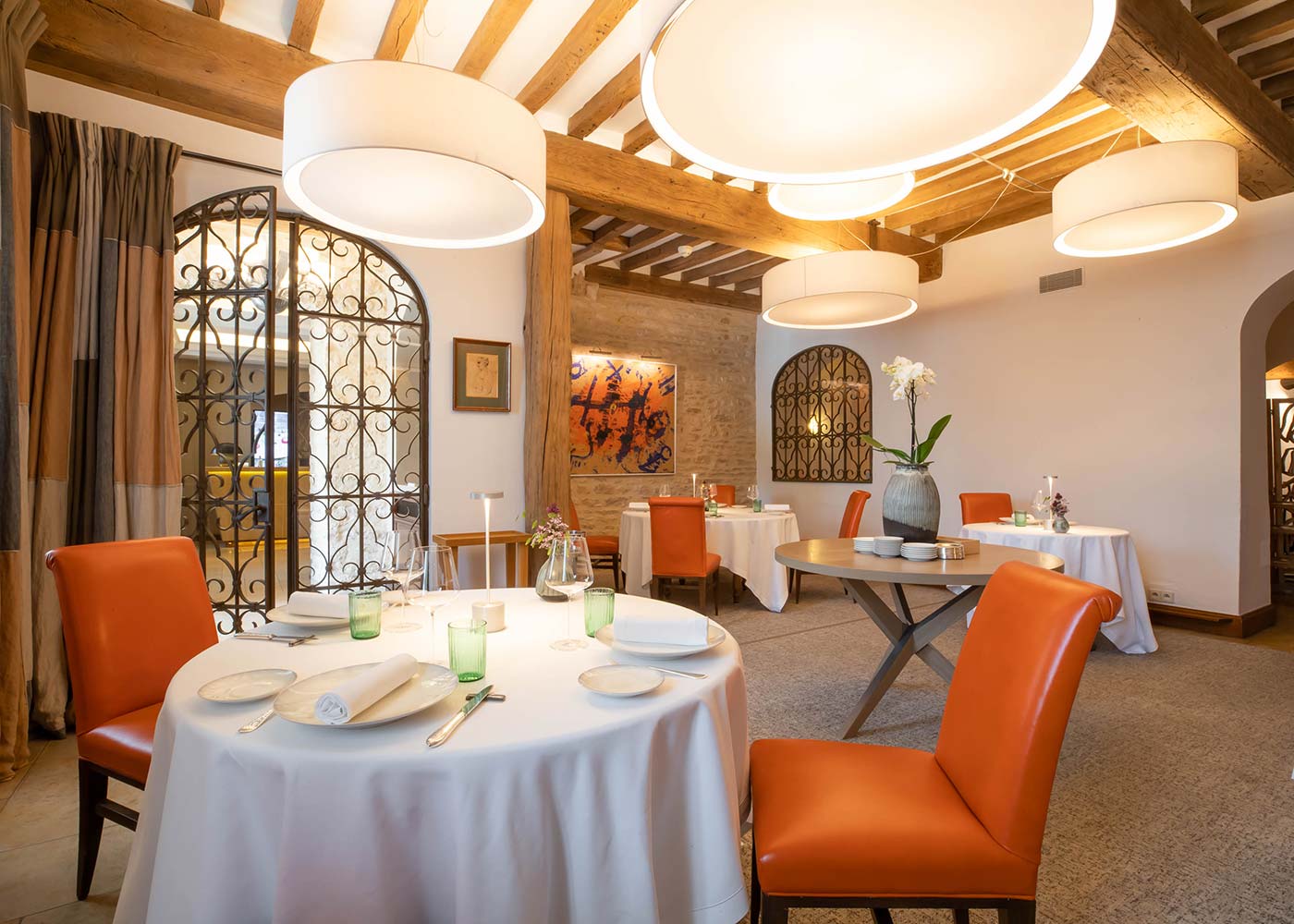
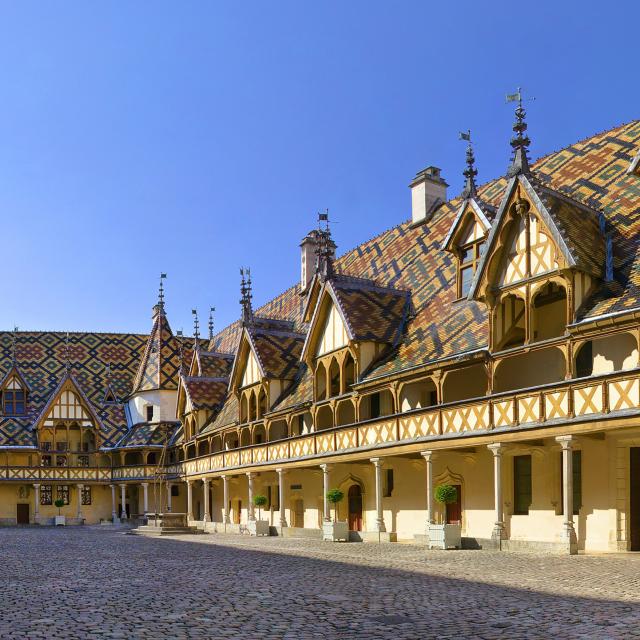
20 minutes further south, the landscape changes. The vineyards appear. Dense, geometric, each plot bearing a name that makes the hearts of enthusiasts beat faster. Beaune is a small town entirely focused on wine, and it doesn't hide it. The Hospices have hosted the "Vente des Vins," a global auction that sets the trend for Burgundy's great growths, every third weekend in November since 1859. The rest of the year, you can taste a Puligny-Montrachet at Olivier Leflaive's, or venture to Chagny to dine at Maison Lameloise, a 3-Michelin-star restaurant helmed by Éric Pras, offering regional cuisine brought to its ultimate perfection.
Le Mâconnais: A Winery in a Church
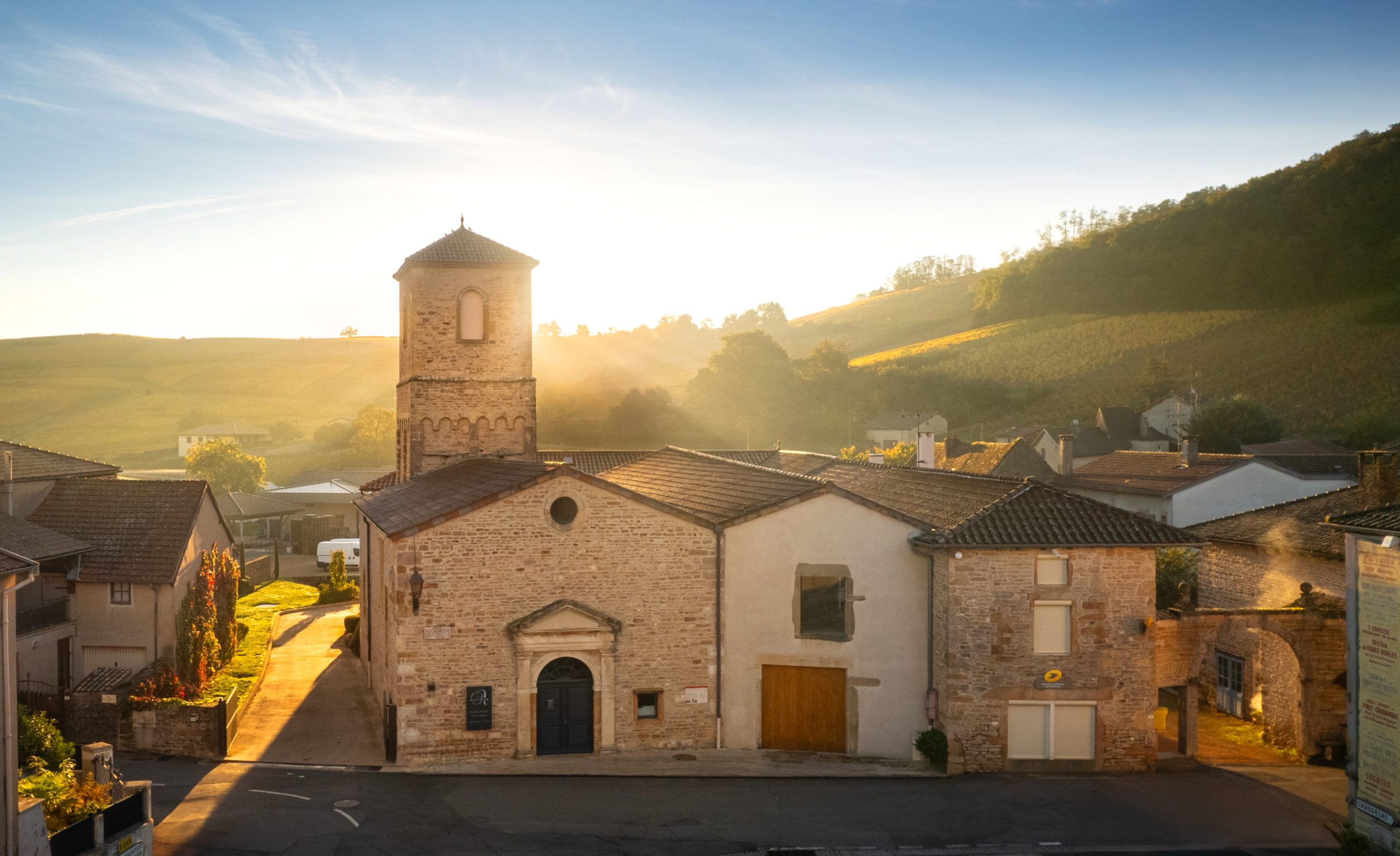
We continue south, the Burgundy softens. The hills round out, the roofs lose their glazed tiles. Near the Roche de Solutré – that limestone cliff that stands like a prow above the vineyards – Maison Auvigue welcomes you in a place no one expects: a tasting cellar set up in the nave of an old 12th-century Romanesque church. Oak barrels under stone vaults, light filtered through original stained glass, cave silence. You taste a Pouilly-Fuissé with a clear minerality – a dry white wine that tells the exact story of the soil it comes from. Outside, the climb to the Roche takes 45 minutes. You go early, when the vines are still smoking in the morning mist.
Lyon: The Confluence
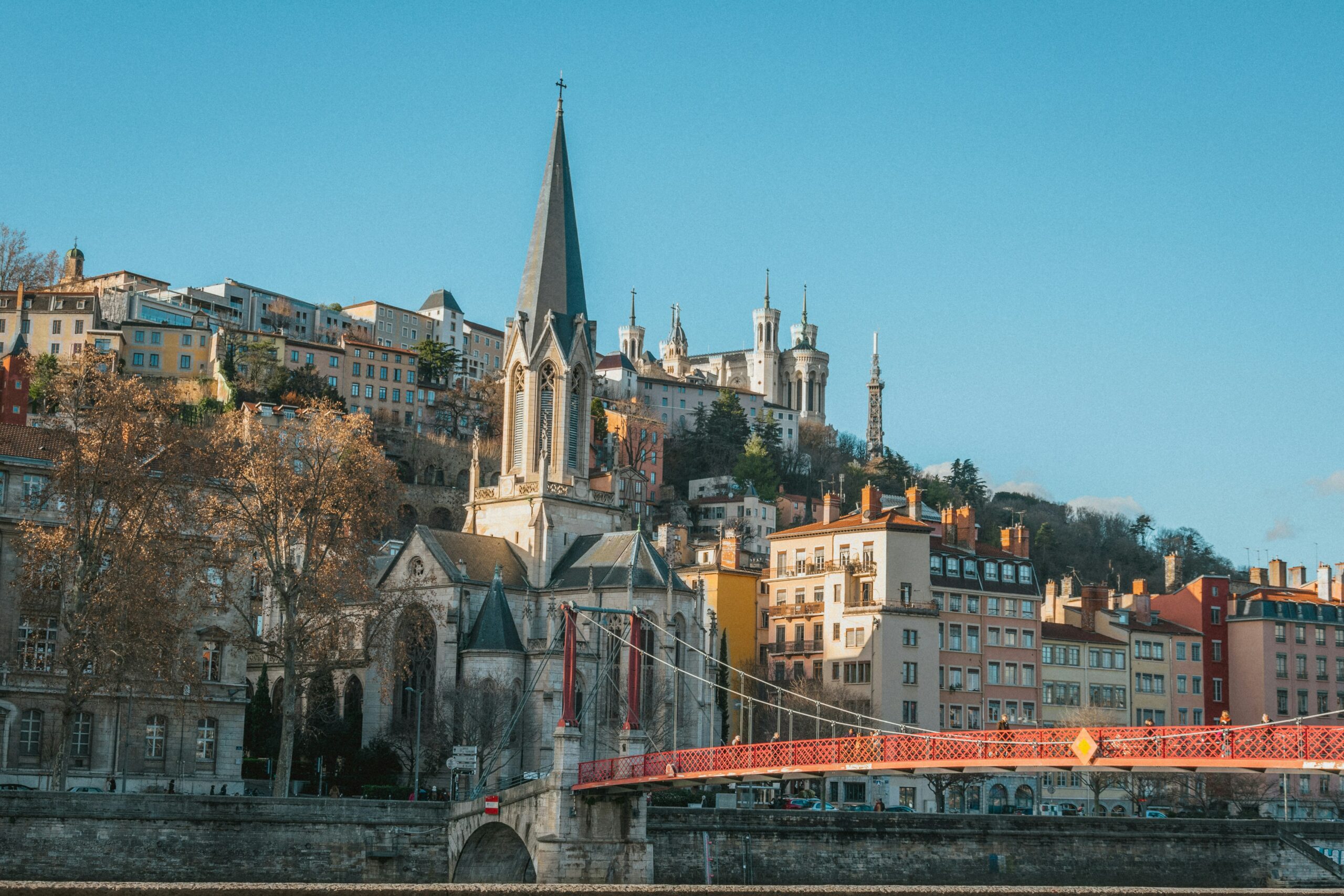
One could write an entire article about Lyon. The city is dense, noisy, and unashamedly gluttonous. Les Halles Paul Bocuse display their stalls of pike quenelles, cervelle de canut cheese spread, brioche sausage, and pink pralines. The bouchons, with their paper tablecloths and aprons-wearing owners, pass down their recipes like family secrets. Author-led kitchens contribute to the 95 Michelin stars that the entire Gastronomy Valley boasts. One traverses Lyon as one traverses a dense chapter, knowing they will return.
The Rhône Valley: stone and sun
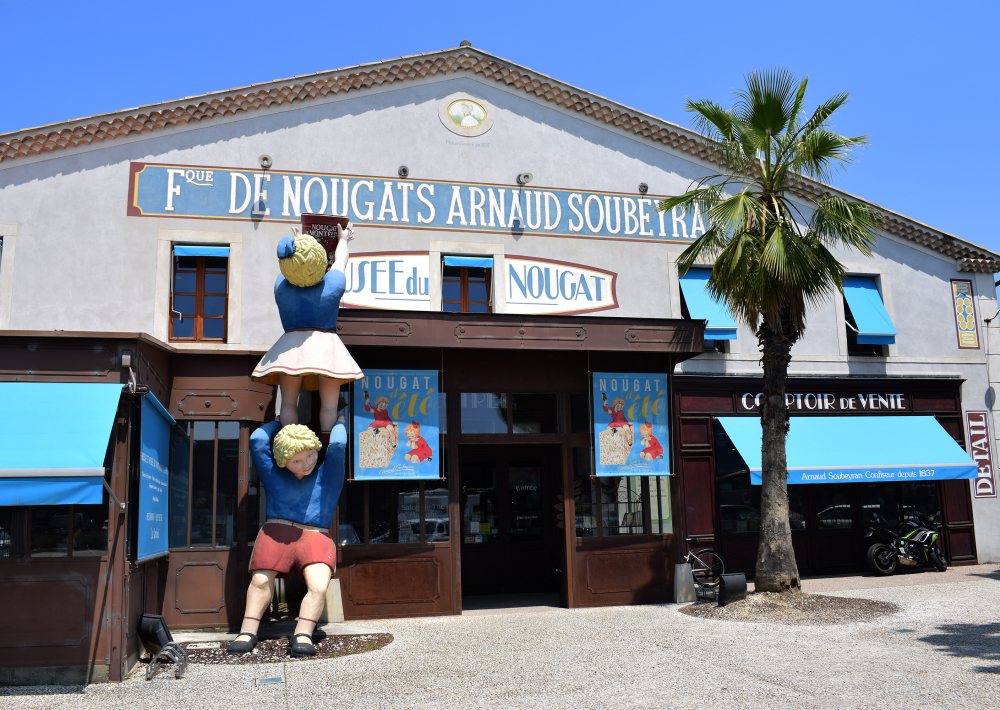
Something is changing in the south of Lyon, and it's not just the landscape. The Rhône widens, the hillsides straighten, the air dries. In Tain-l'Hermitage, the mythical hill rises with its steep vineyards – granite, Syrah, full southern sun. At M. Chapoutier's, a biodynamic estate since 1991, you taste a red Hermitage that has the weight of the stone from which it comes. 300 meters below, the Valrhona Chocolate City imposes a change of pace – roasting, cocoa butter, vanilla in the air – and reminds us that the Rhône Valley is not just about wine. In Montélimar, the nougats from the Fabrique Arnaud Soubeyran stick to your fingers, warm with honey and beaten egg whites. The south is approaching. You can feel it, scented with thyme.
Provence: Oil replaces butter
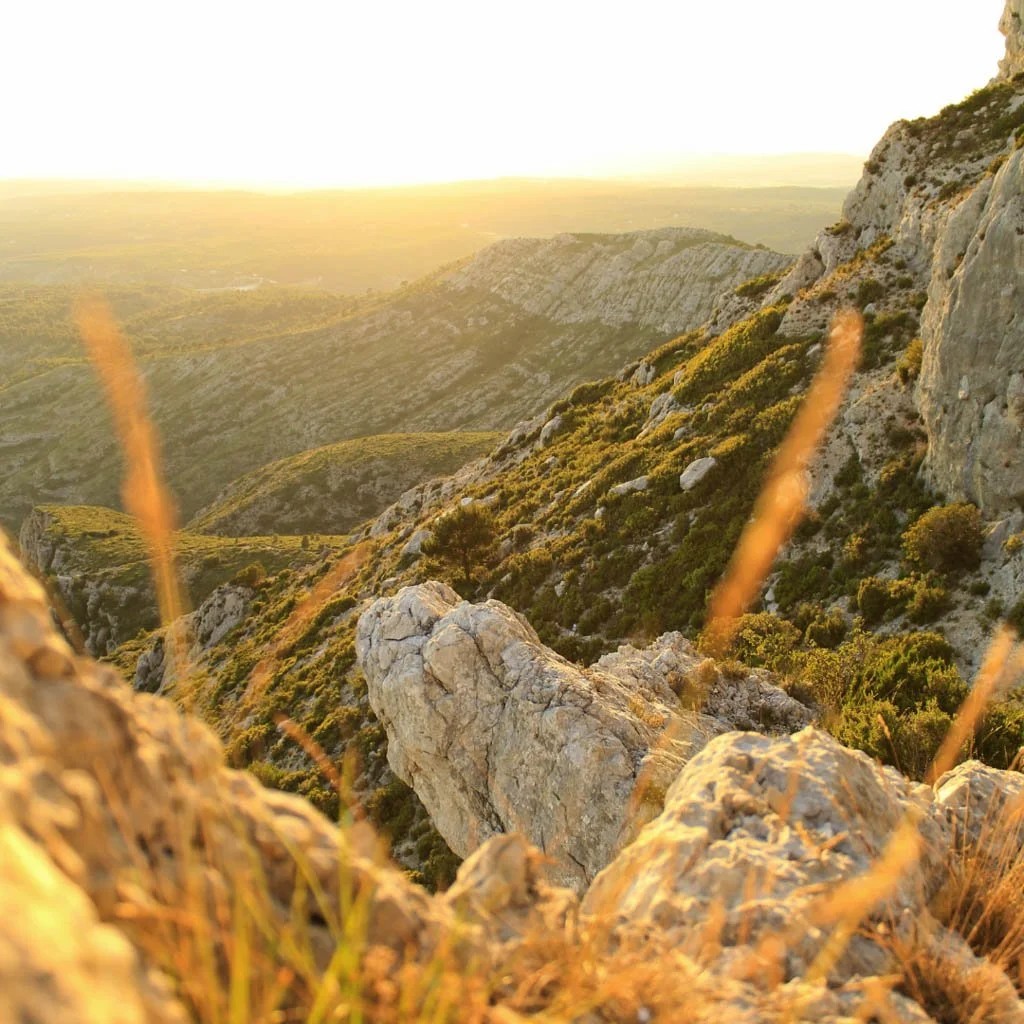
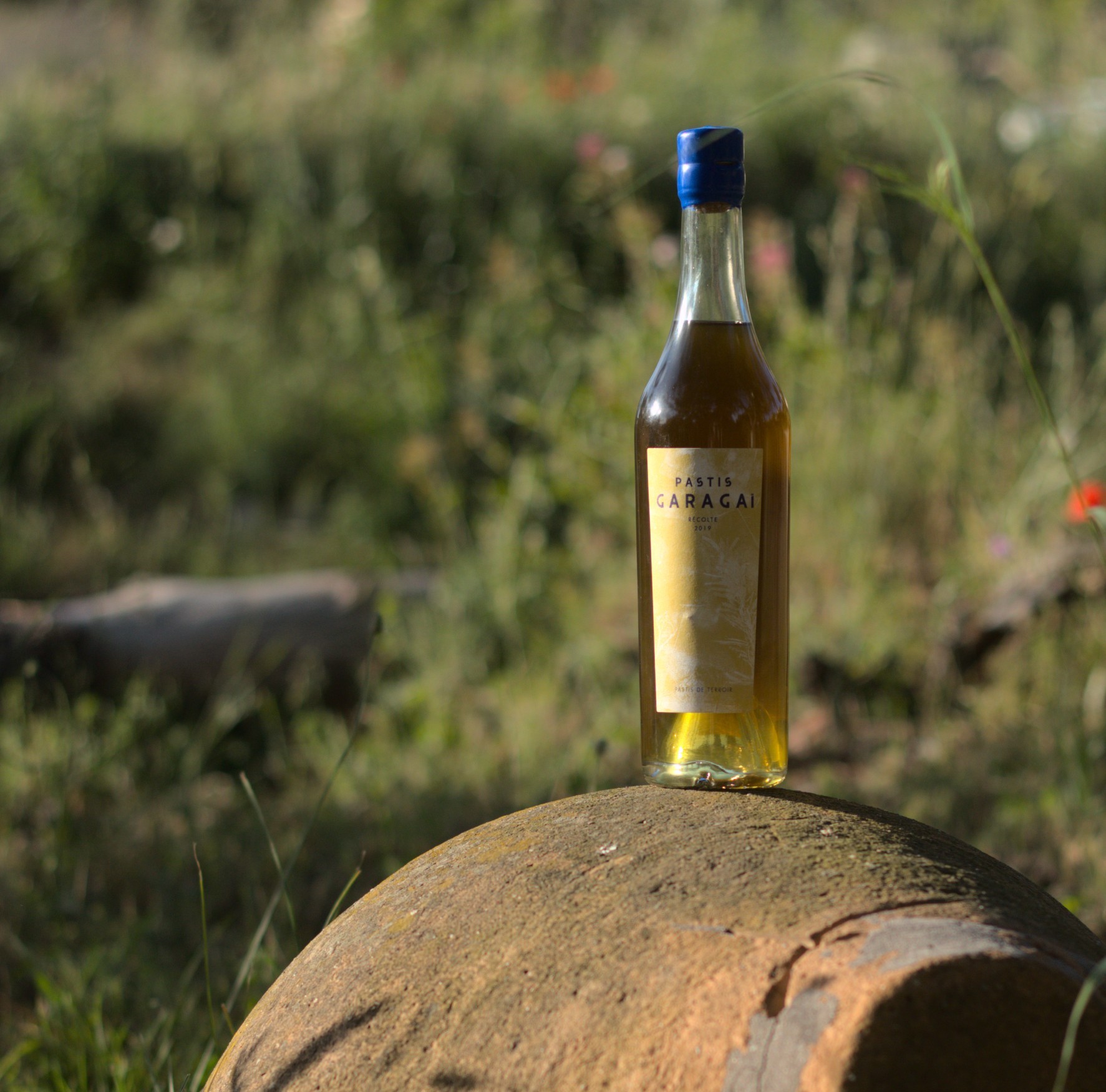
One never knows exactly where Provence begins. One only knows that at some point, the richness of the land changes. The plane trees widen, the stone whitens, the air smells of dry rosemary. In Maussane-les-Alpilles, In the Baux-de-Provence valley, the Moulin Cornille, an olive oil cooperative since 1924 housed in a vaulted 17th-century building, hosts an exhibition on olive tree expertise in its old granaries, followed by a tasting of mature, smooth, and lingering olive oil. The shift is definitive. In Aix-en-Provence, the Garagaï distillery takes the concept of terroir to the extreme with spirits: aromatic plants picked wild in the garrigue, hand-blended pastis. The cicadas have replaced the silence of the cellars.
Marseille: the end of the road
The journey ends as it began: through the senses and through the streets. Marseille is noisy, salty, and unfiltered. Navettes – orange blossom biscuits, crunchy and powdery – are bought at Les Accoules before hitting the road again. The stalls at La Criée display each morning what the Mediterranean has deigned to deliver: scorpionfish, tellines, tiny crabs, sea urchins opened with a knife on the port. In Port-Saint-Louis-du-Rhône, Camargue Coquillage invites visitors into its oyster hut – a collage of oysters, tasting organic Perles de Camargue, with feet in the sand, the Rhône finishing its course a few meters away. 620 kilometers earlier, mustard was being ground in a paved courtyard in Dijon. Burgundy butter seems to belong to another world. And that's exactly why we'll have to travel the road again, the other way this time.
More information and itinerary suggestions: valleedelagastronomie.com