Discover the Club Travellers Society : Up to 25% off the most beautiful hotels in France
After a five-year hiatus, the Pourcel brothers are making a grand return to the French culinary scene. Welcome to Le Richer de Belleval, a former private mansion transformed into a truly unique hotel, where guests can once again savor the sun-inspired cuisine of the Michelin-starred twins.
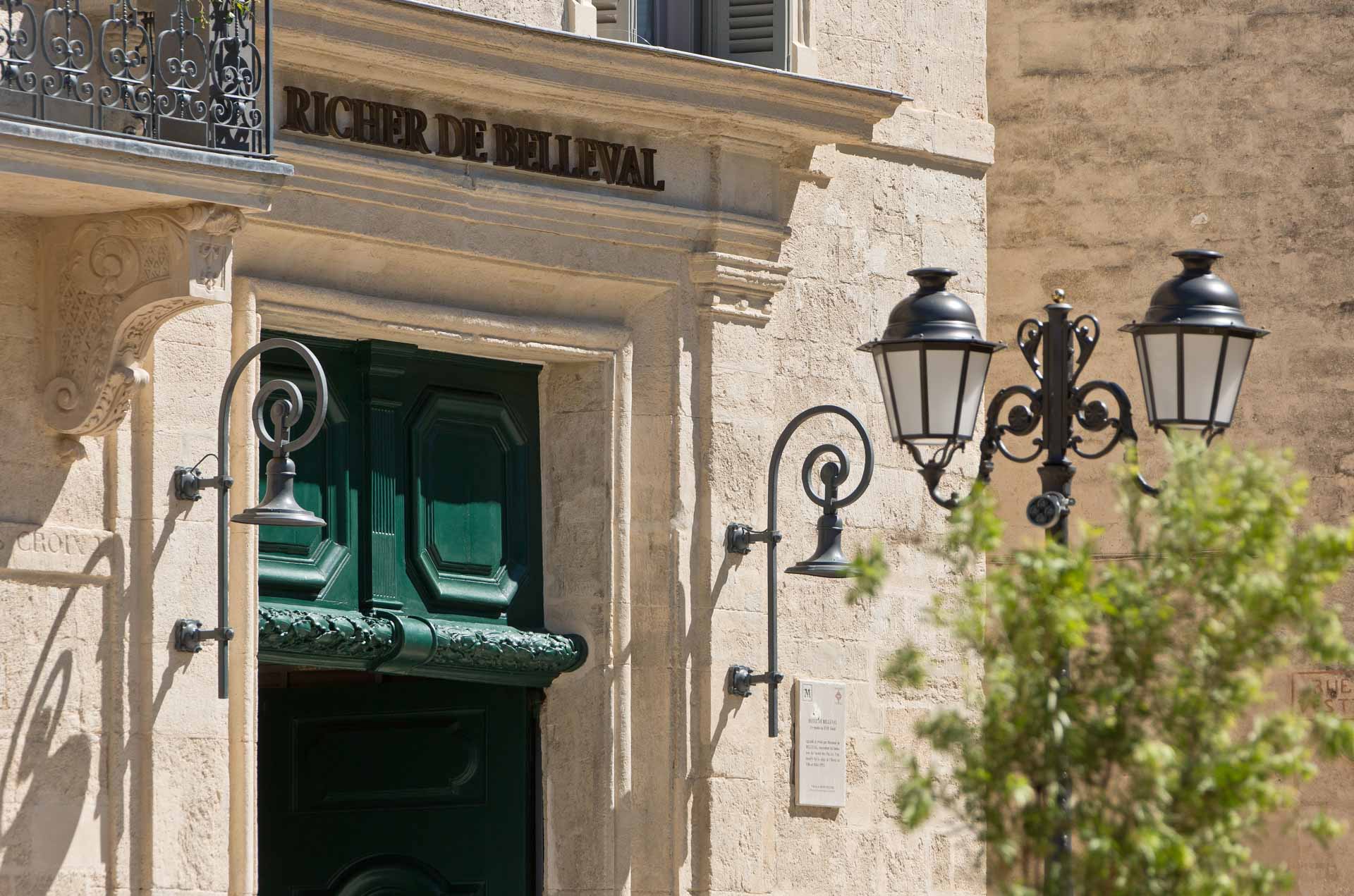
We'd been waiting for them for five years. It was on Place Canourgue, the epicenter of the Montpellier After a long hiatus, brothers Jacques and Laurent Pourcel are making their return. They’ve been nurturing this project for 11 years now—ever since they purchased this stately building in 2010, a structure shaped by several centuries of history. Built at the end of the 17thth century and then passed into the hands of the Richer de Belleval family, the building housed the Montpellier town hall for nearly a century, before being transformed into an annex of the Palace of Justice.
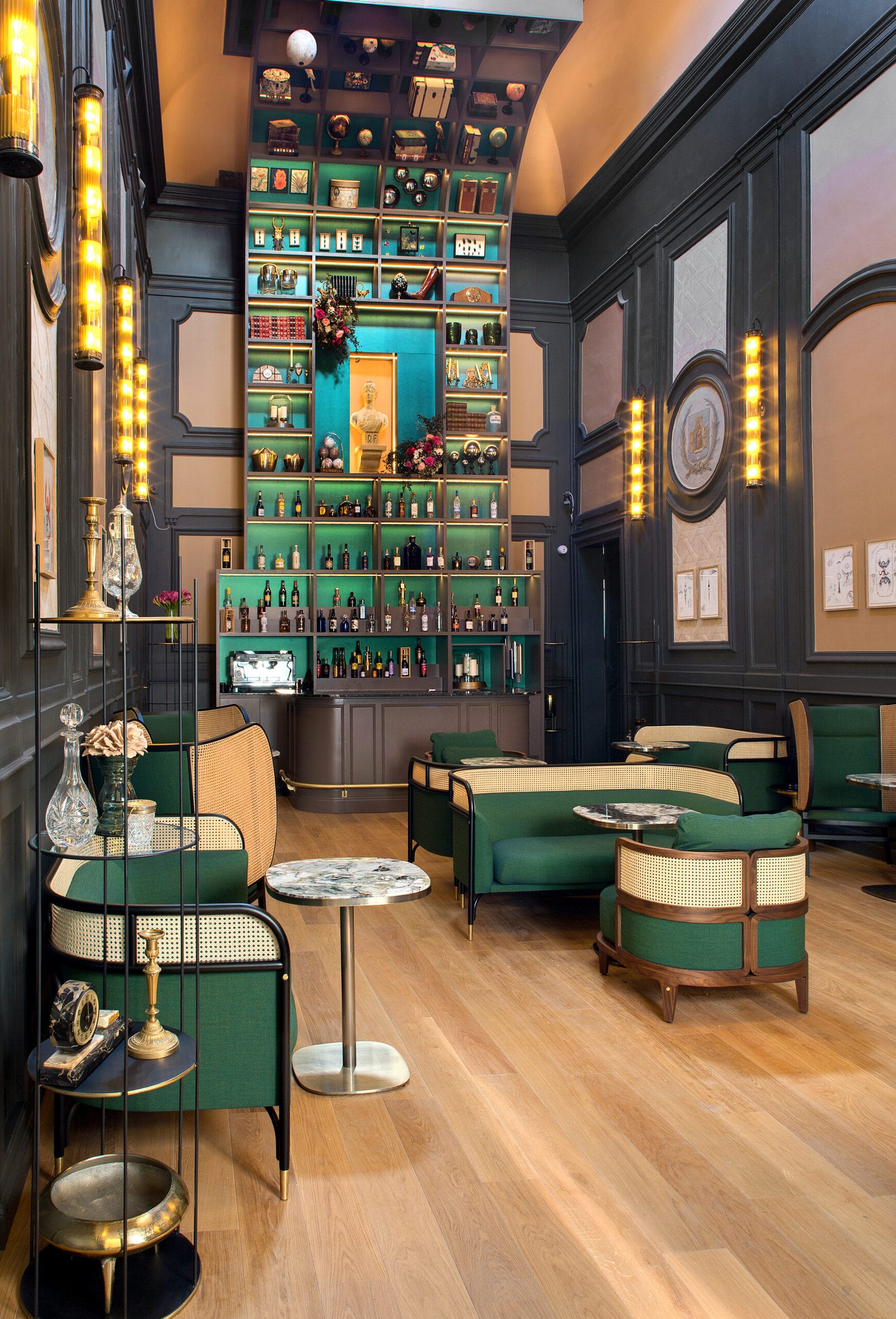
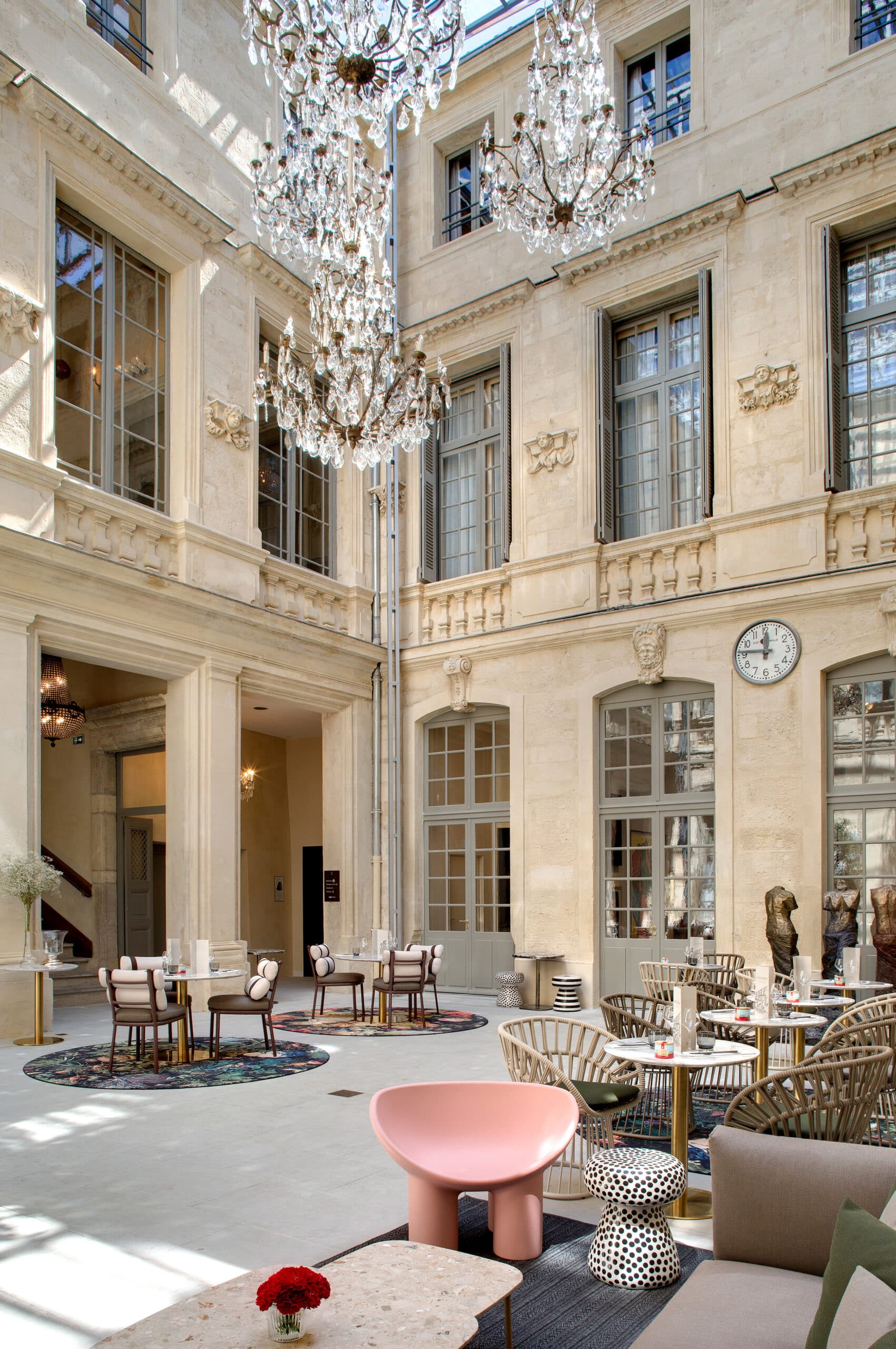
And so, in 2017, Le Richer began a new chapter in its history, under the leadership of the Helenis Group, the Pourcel brothers, and Olivier Château, a longtime business partner of the twins. Naturally, it took several years of work to restore the venue to its former glory, but above all to bring its ornamental treasures back into the spotlight. This task was entrusted to the architectural firm Philippe Prost, responsible for the renovation of the premises, and to the Atelier de Ricou, which set to work restoring the frescoes and gilding, the historic busts, the paintings, and the stucco work that adorn the building.
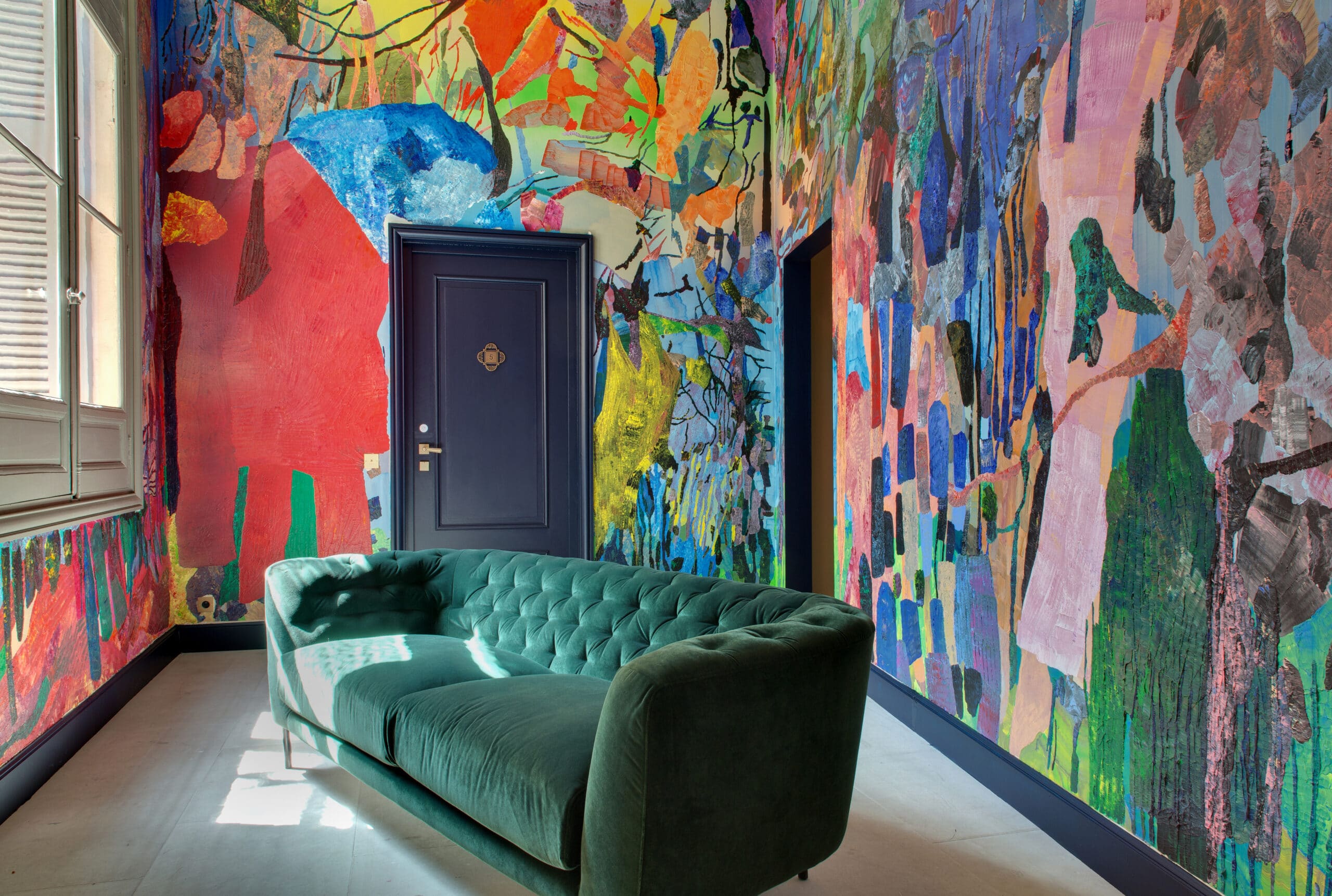
In June 2021, the Richer de Belleval unveiled a new look to the public—not a complete transformation, but one that skillfully bridges the past and the present. Throughout the 5-star hotel, contemporary art breathes new life into time where it had come to a standstill. This is evident right from the entrance porch, with its ceramic ceiling adorned with hearts designed by artist James Dine, supported by imposing neoclassical cut-stone columns. In the inner hall, herons and other birds sculpted by Marlène Mocquet perch on the cornices overlooking the grand staircase, while the lantern tower of a former wedding hall (where the bust of Marianne still stands) features five panels created by artist Jan Fabre, composed of thousands of beetle elytra.
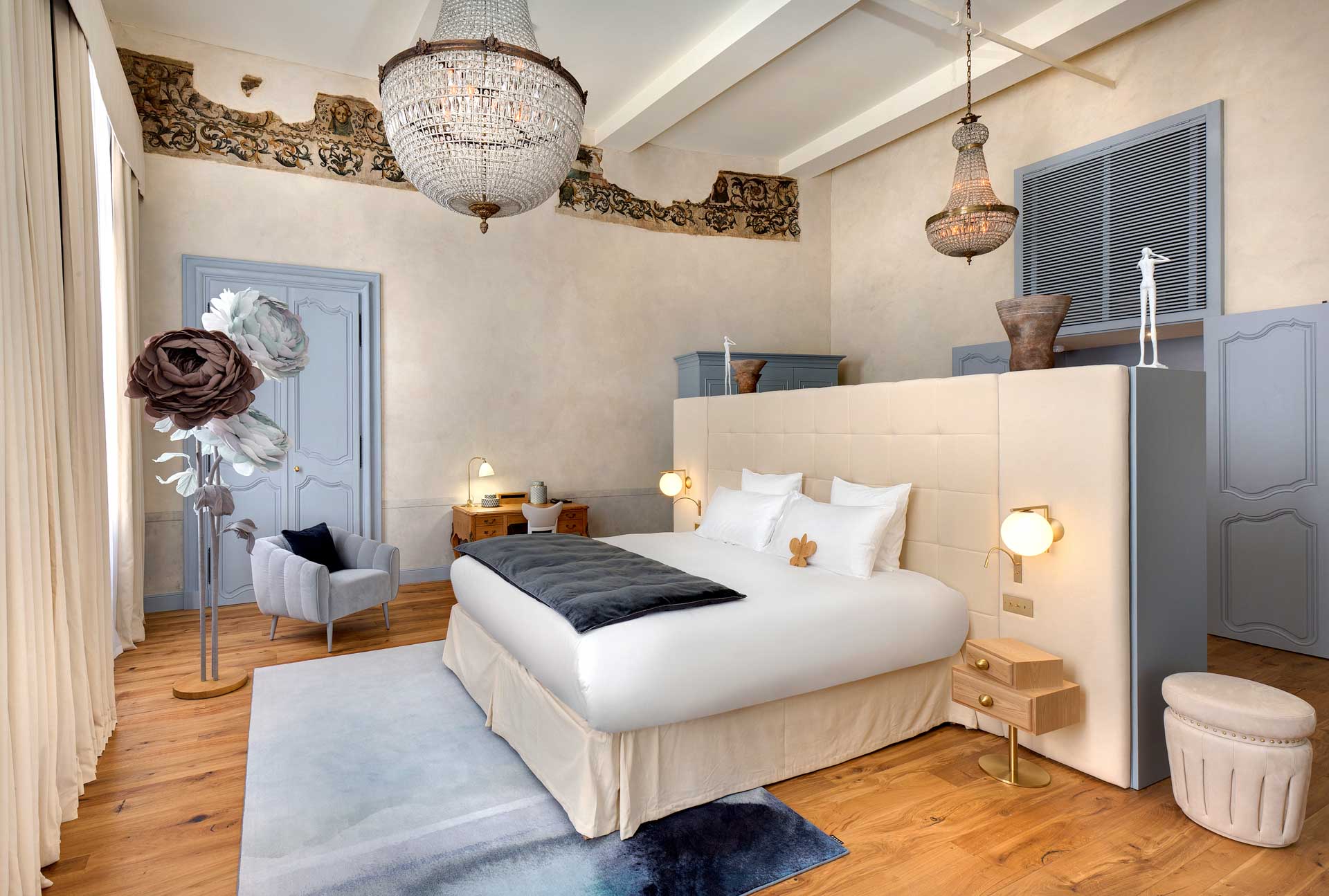
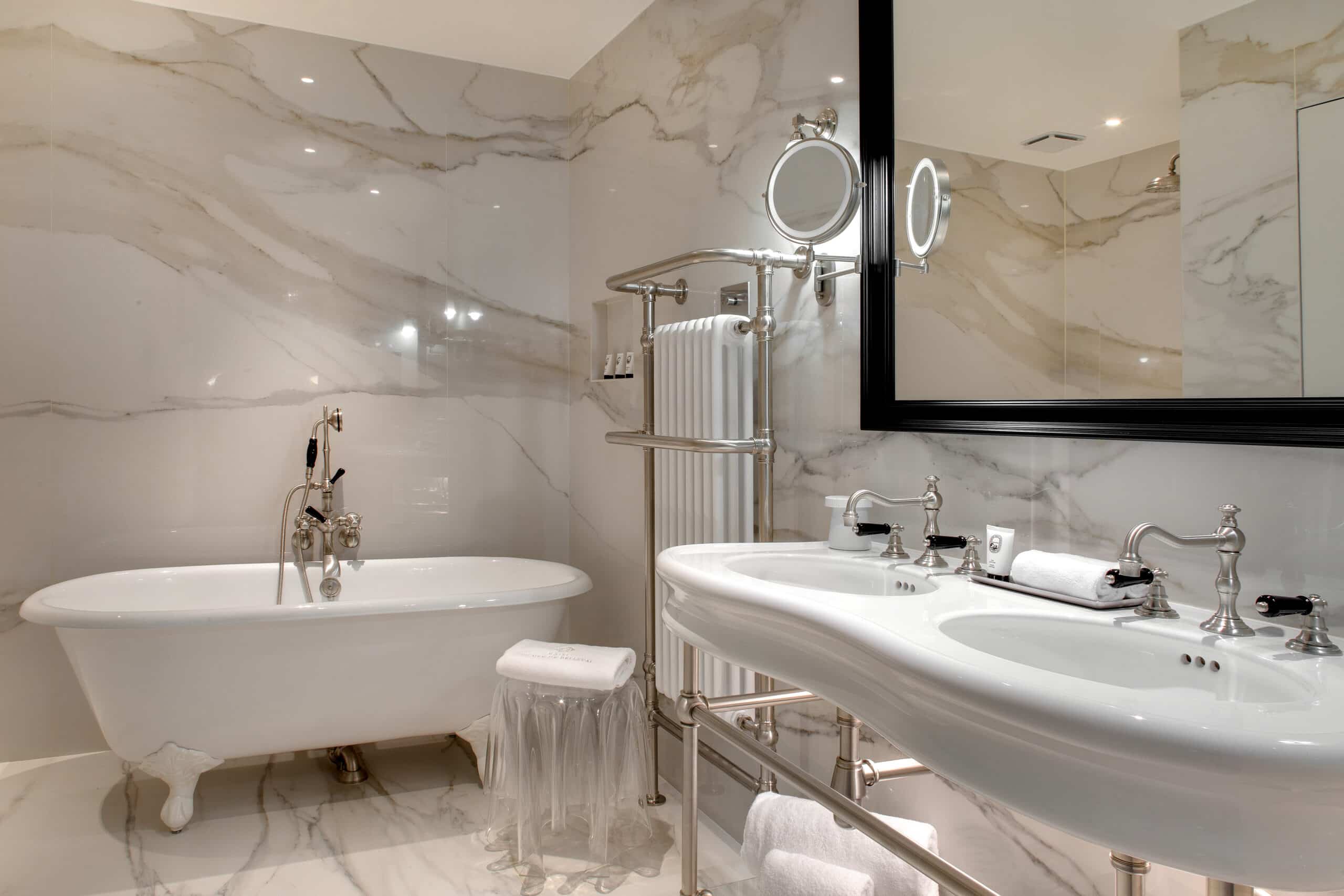
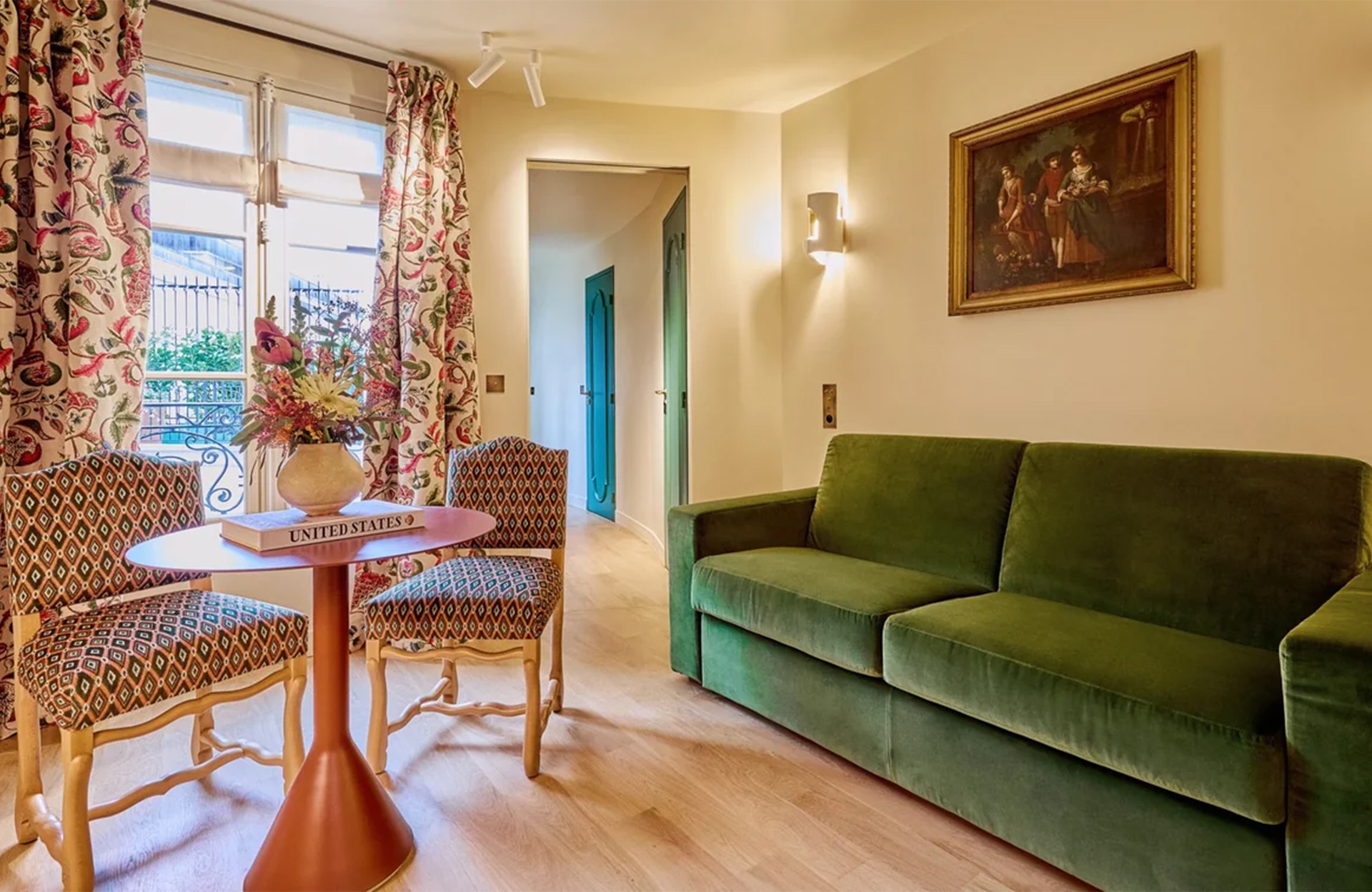
That said, Le Richer doesn’t set out to be a museum. This is very much a hotel—and a Relais & Châteaux, no less—with all that entails in terms of comfort, experiences, and hospitality. Under the direction of Christian Collot, the interior design continues this dialogue between eras in a refined, contemporary, and understated setting. Spread across two floors, the 20 guest rooms are decorated in monochromatic hues, ranging from vibrant to soft and muted. Modern furniture sits alongside vintage pieces, Garnier Thiébaut linens, Moooi or Christian Lacroix rugs, antique murals, and objects sourced from local shops—such as these oversized flowers crafted by Atelier Shamarée. The result is truly impressive, and once you get past the theatrical vibe of the place, you’ll quickly feel right at home at Le Richer (though, of course, it’s even better than home).
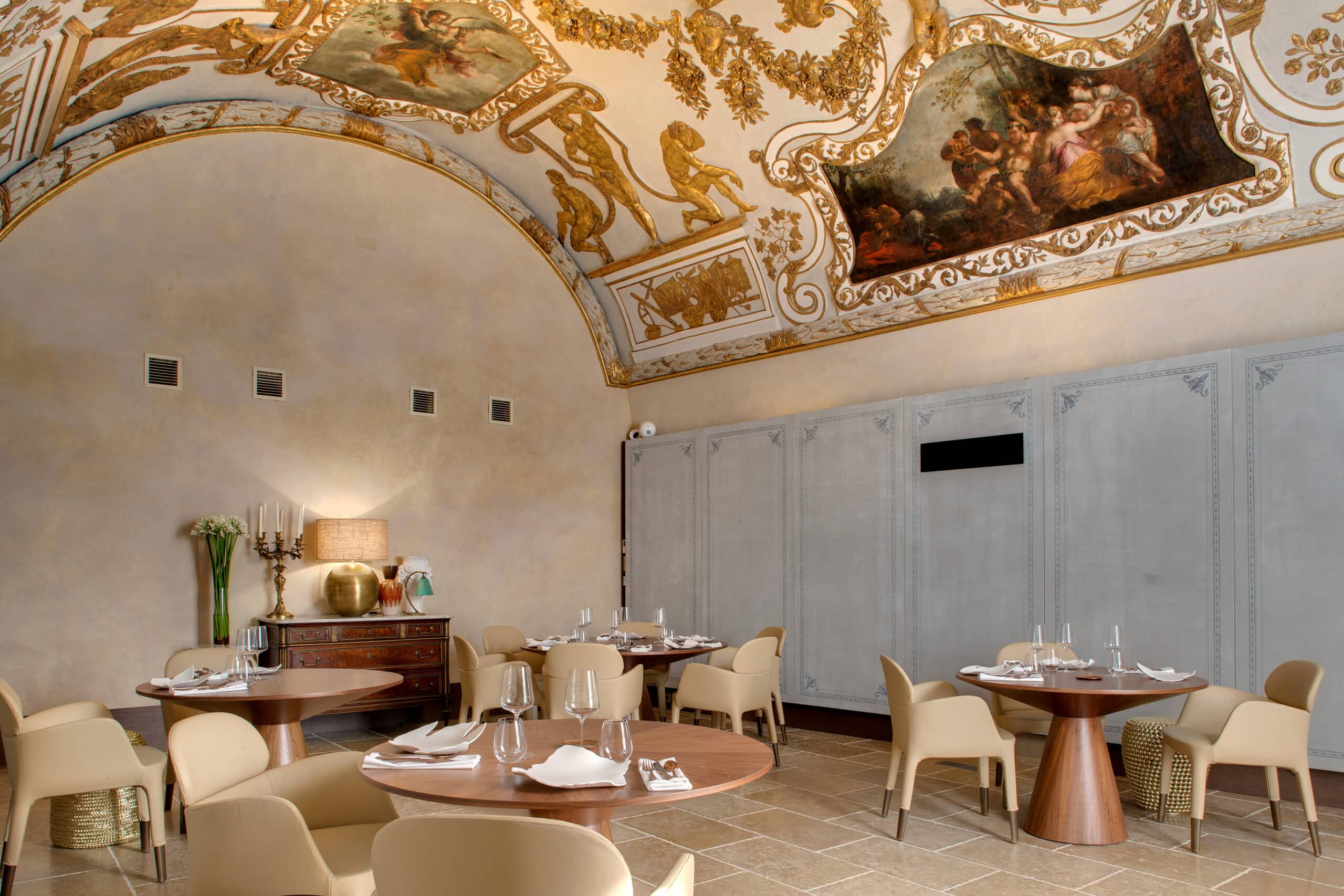
But let's talk about cooking now, because that's also one of Richer's main selling points: his restaurant in Montpellier. Beneath the Renaissance vaults of three dining rooms, the Jardin des Sens is reborn, and with it, the Pourcels« festive, radiant, and joyful cuisine. Available in 10- or 15-course versions, the two menus embark on a divine »conversation with the Mediterranean” and the very best it has to offer. After a string of delectable appetizers, diners are captivated in turn by a rosette of marinated scallops that makes a spectacular entrance; a chestnut yogurt of heavenly creaminess; a roasted blue lobster with its butternut squash ravioli that melts beautifully on the palate; and two beautiful medallions of venison loin, infinitely tender, served in a cranberry coulis and cocoa-peppered jus. A symphony without a single false note, showcasing both the Occitan terroir and the region’s finest wines through a wine list worthy of the finest sommeliers.
We'll also mention the accessible and relaxed alternative offered in La Canourgue, where you can taste colorful cuisine, blending international flavors with French classics, such as a gnocchi and shrimp casserole and grilled beef flank steak. The desserts, with their perfect balance of freshness, sweetness, and acidity, provide a delightful conclusion to this beautiful culinary journey, once again solidifying the Pourcel brothers' reputation, if it were needed.
Mathilda Panigada